
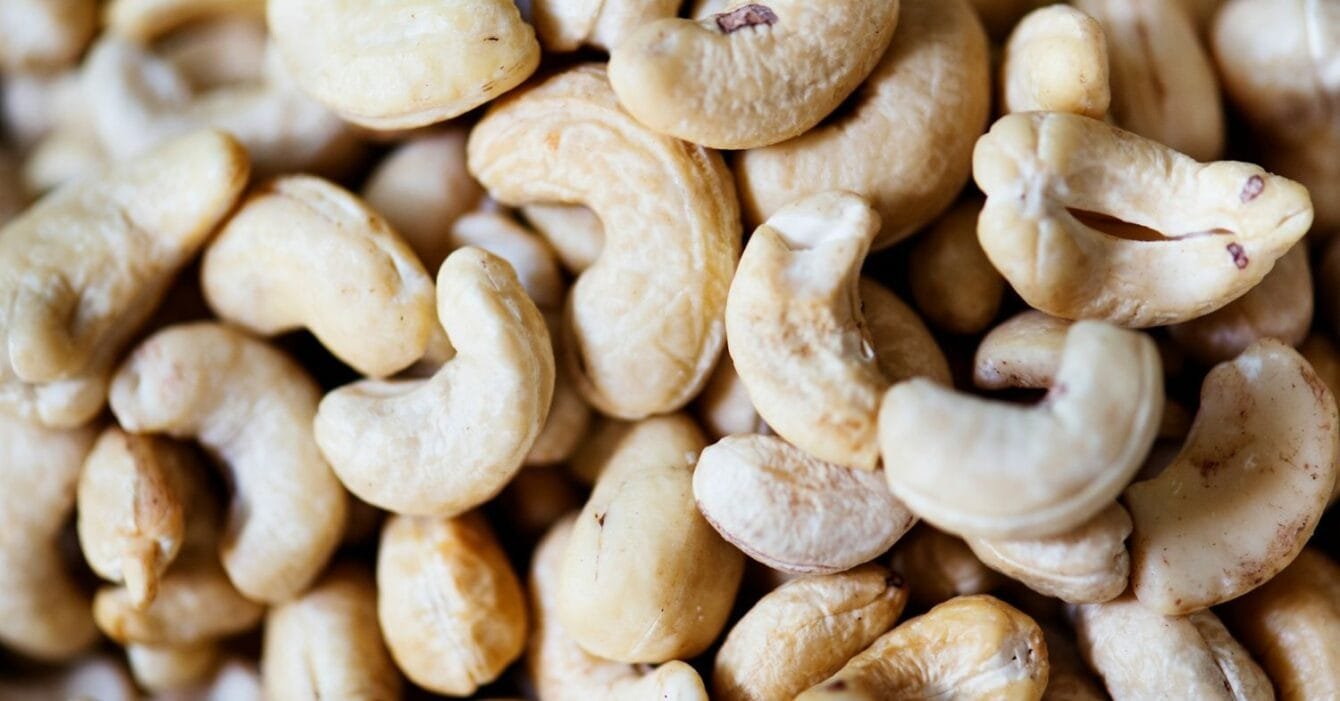
Cambodia cashew processing sits at the center of a growing economic paradox. The country produces about 840,000 tons of cashews a year, ranking among the world’s top producers. Yet more than 790,000 tons, or roughly 94%, are exported raw to Vietnam. In 2024 alone, these raw exports earned $1.11 billion, but most processing profits were captured abroad.
The trend heading into 2026 is clear. Cambodia wants to stop exporting value and start keeping it. New processing plants are being built to transform raw nuts into finished products at home.
Cambodia Cashew Processing: Why Process So Little?
Today, Cambodia processes only 5% of its cashew output. This low rate is not due to weak demand, but limited local facilities and machinery. Most farmers sell raw nuts because there are few nearby processors.
Under the national cashew policy, the government plans to raise processing to 25% by 2027 and 50% by 2032. This shift reflects a broader rethink of how agriculture supports growth. Agriculture already contributes 16.58% of GDP, worth $7.68 billion, yet much of its value still leaves the country unprocessed.
Agro-Processing and the Value-Add Multiplier in Cambodia Cashew Processing
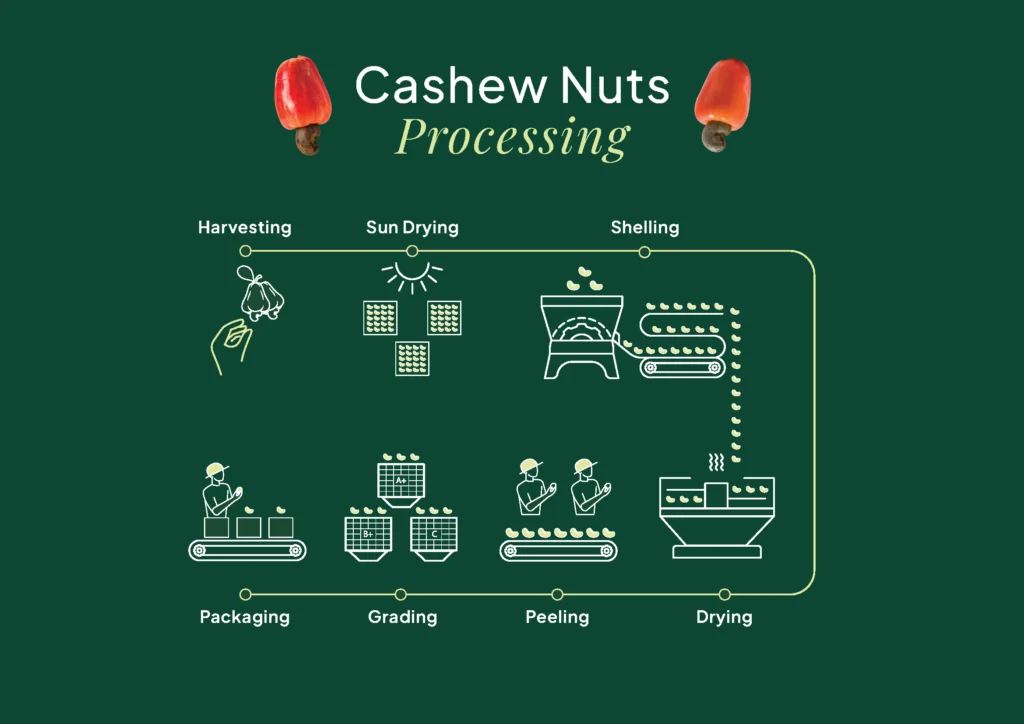
Processed cashews can generate three to five times more value per ton than raw nuts. That difference explains why agro-processing is now a top priority. By moving even a small share of production into processing, Cambodia can increase incomes without expanding farmland.
This is the core of the value-add revolution. Instead of shipping raw crops, the country is focusing on efficiency, local industry, and export-ready products.
Cambodia Cashew Processing Gains Momentum in 2026
Cashew processing will take a major step forward in 2026. Three new processing factories are scheduled to open in Kampong Thom and Kampong Cham. Together, they will add more than 60,000 tons of annual capacity.
These plants are designed to keep raw cashews inside the country and reduce reliance on cross-border processing. While the added capacity still represents a small share of total output, it marks a turning point. It signals that processing is moving from policy to practice.
Read Also: Cambodia’s Economic Diversification: Garments to Auto-Parts & Electronics
Tax Incentives Driving Agro-Processing Investment
One reason investors are paying attention is Cambodia’s tax policy. The government waives import taxes on agricultural machinery, equipment, fertilizers, and seeds. This significantly lowers startup costs for processing plants.
Projects approved as Qualified Investment Projects (QIP) benefit even more. They receive exemptions on machinery imports, export duties, and corporate income tax holidays of up to six years. In addition, expenses related to agro-processing efficiency qualify for 150% tax deductions.
Purchases of farm goods directly from producers are also exempt from withholding and value-added taxes. These incentives make capital investment far less risky.
From Raw Exports to Strategic Growth
The cashew processing in Cambodia is no longer a side issue. It is becoming a national strategy to capture more value, create jobs, and stabilize farm incomes. The combination of strong production, rising processing capacity, and generous tax incentives is reshaping the sector.
For investors and operators exploring Cambodia cashew processing, expert guidance matters. Market Research Cambodia by Eurogroup Consulting, with 40 years of distinguished experience, excels in delivering strategic consulting services with a strong focus on market research in Cambodia and the wider region. Our committed team provides deep insights and hands-on support, making us the essential partner for succeeding in Cambodia’s fast-evolving agro-processing landscape.